
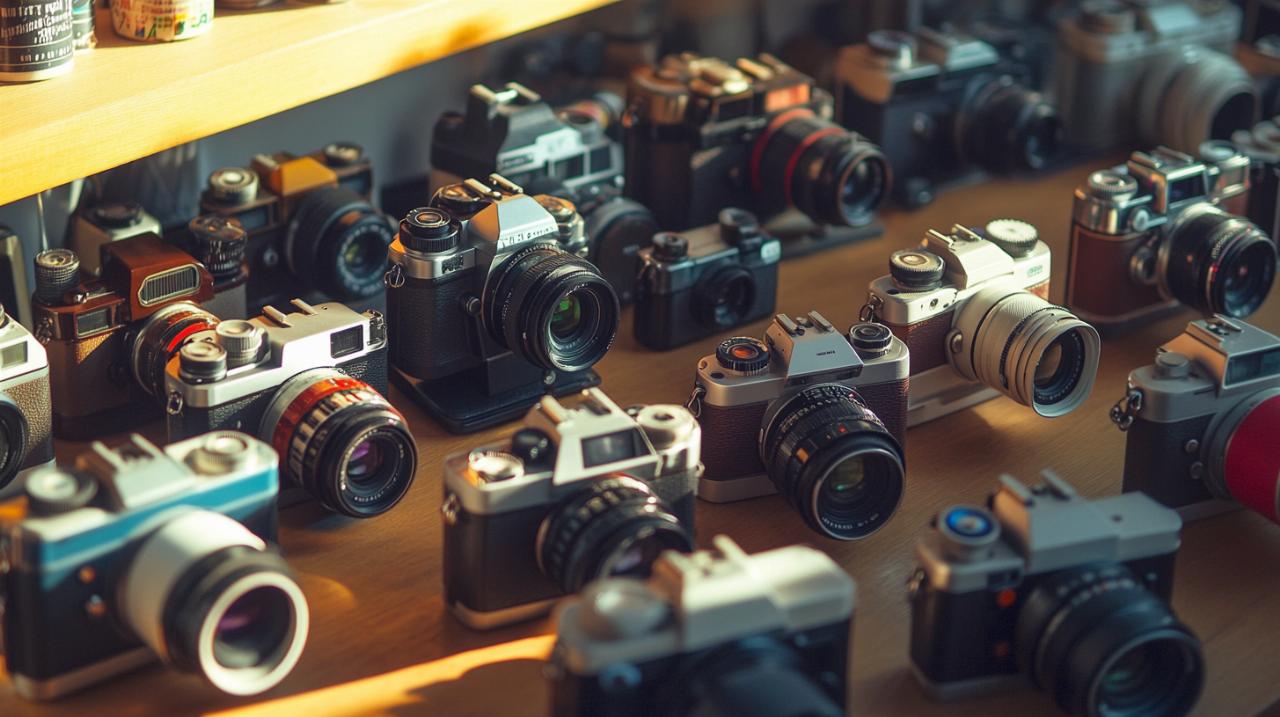
In recent years, a surprising movement has emerged within photography circles and beyond, as individuals increasingly turn away from the convenience of digital imaging to embrace the tactile, deliberate world of refillable film cameras. This shift represents more than a simple nod to nostalgia; it reflects a growing desire for authenticity, sustainability, and a meaningful connection to the creative process. The cameras in question are not the throwaway types that clutter landfills after a single use but rather sturdy, reloadable devices that invite repeated adventures through countless rolls of film. As we navigate an era dominated by screens and instant gratification, the analogue camera stands as a quiet rebellion, offering a slower, more intentional approach to capturing the world around us.
The Revival of Film Photography in the Digital Age
The return to film photography has surprised many observers, particularly given the dominance of smartphones and digital cameras in everyday life. Yet this resurgence speaks to deeper cultural currents that prioritise experience over convenience and quality over quantity. Younger generations, especially those who have grown up surrounded by digital technology, find themselves drawn to the deliberate pace and unpredictability that film demands. Rather than taking hundreds of images in seconds, shooting on film requires consideration before each frame, fostering a mindfulness that has become rare in our fast-paced world.
The landscape of analogue photography has been bolstered by encouraging developments within the industry itself. Major manufacturers have renewed their commitment to film production, with significant investments ensuring that raw materials remain available for years to come. The launch of new cameras designed specifically for the modern film shooter demonstrates that this is not merely a fleeting trend but a sustained cultural shift. These developments have been met with enthusiasm from both seasoned photographers and curious newcomers eager to explore what makes film so compelling. For those interested in exploring this world further, resources such as https://www.agfaphoto-gtc.com/en/56-analog-cameras provide accessible entry points into the diverse range of equipment available today.
Why photographers are returning to analogue formats
Understanding the motivations behind this resurgence reveals much about contemporary values and aspirations. Research into why people choose film photography consistently highlights the desire to slow down as the primary driver, with the overwhelming majority of film shooters agreeing that this medium helps them step away from the relentless pace of modern life. The act of loading film, manually advancing each frame, and waiting days or weeks to see the results creates a rhythm that stands in stark contrast to the immediacy of digital photography.
Creating something physical holds particular appeal in an increasingly virtual world. While digital images exist as intangible data, easily lost in the vast repositories of cloud storage, a developed photograph carries weight and presence. Holding a print or even a negative provides a tangible connection to a moment in time, something that can be shared, displayed, and preserved without the mediation of a screen. This physicality extends to the entire process, from the mechanical click of the shutter to the careful handling of film during loading and unloading.
For younger photographers in particular, film offers an opportunity to create images that feel genuinely unique. In an age where billions of photographs are shared daily across social media platforms, standing out becomes increasingly challenging. The distinctive aesthetic qualities of film, the unpredictable nature of chemical processing, and the inherent limitations of analogue equipment all contribute to images that possess a character difficult to replicate digitally. Learning new skills also motivates many to pick up a film camera, as mastering manual exposure, understanding different film stocks, and developing proficiency in darkroom techniques provide a sense of accomplishment that automated digital photography rarely offers.
The aesthetic appeal of traditional film processing
The visual qualities that emerge from traditional film photography continue to captivate both photographers and viewers. Film renders colours, contrast, and grain in ways that digital sensors struggle to emulate convincingly, despite countless software filters attempting to recreate these characteristics. Each type of film stock possesses its own personality, from the warm tones of certain colour negative films to the rich blacks and subtle gradations of traditional black and white emulsions. These qualities arise from the chemical composition of the film itself and the complex interactions that occur during exposure and development.
Beyond technical considerations, film photography encourages a different relationship with the aesthetic process. Without the ability to review images immediately, photographers must trust their judgement and technical knowledge, leading to a more considered approach to composition and exposure. This limitation paradoxically creates freedom, as the absence of a screen removes the temptation to obsess over technical perfection during shooting. The results often carry an authenticity that feels absent from heavily edited digital work, with imperfections and unexpected outcomes contributing to rather than detracting from the final image.
The development process itself offers creative possibilities that extend far beyond simply revealing what the camera captured. Choices made during processing can dramatically affect the final appearance of images, with different chemicals, temperatures, and techniques yielding varied results from the same negative. This hands-on involvement in the entire photographic process connects practitioners to the medium's history whilst allowing contemporary expression through time-tested methods.
Practical considerations for using refillable film cameras
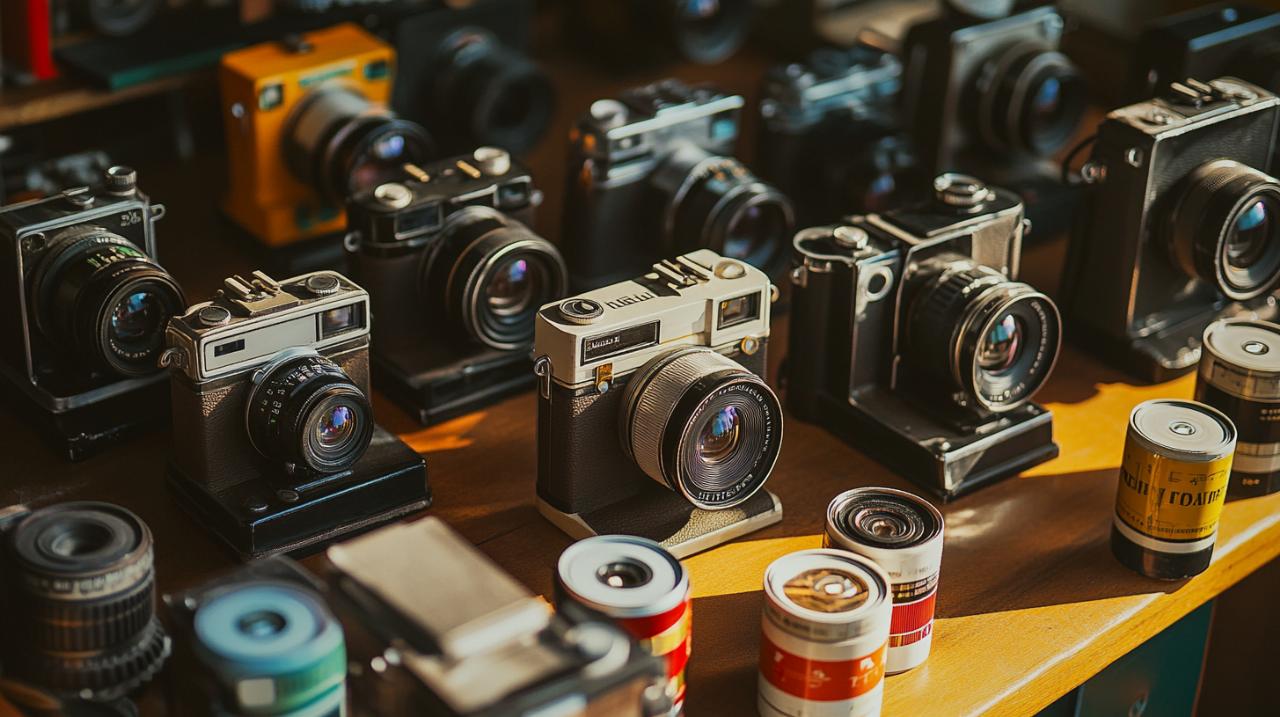
Embarking on a journey with refillable film cameras requires some foundational knowledge, though the learning curve need not be steep. These cameras have been designed with accessibility in mind, often featuring straightforward operation that removes unnecessary complexity whilst retaining the essential elements that make film photography rewarding. Understanding the basics of how these cameras function and how to maintain them ensures a smooth experience and helps avoid common pitfalls that might discourage newcomers.
The sustainability aspect of reusable cameras cannot be overstated. Unlike their disposable counterparts, which contribute to environmental waste after a single roll of film, refillable cameras can serve their owners for years or even decades. This durability aligns with growing awareness about consumption patterns and their environmental impact. Choosing reusable equipment represents a conscious decision to invest in quality over convenience, supporting a more sustainable approach to creative pursuits.
Selecting the Right Camera Body and Film Stock
The world of analogue cameras offers remarkable variety, from simple point-and-shoot models to sophisticated manual devices that provide complete creative control. For those beginning their film journey, cameras with fixed-focus lenses offer an excellent starting point. These typically feature focal lengths around thirty-one or thirty-five millimetres, providing a versatile field of view suitable for a wide range of subjects. Many incorporate basic features such as manual film advance mechanisms and built-in flash units, striking a balance between simplicity and functionality.
When considering which camera might suit your needs, think about how you intend to use it. Compact, lightweight models excel for casual documentation and travel, slipping easily into pockets or bags without demanding constant attention. More substantial cameras might appeal to those who enjoy a tactile, mechanical experience and appreciate additional controls that allow creative decisions about exposure and focus. The beauty of the current market lies in its diversity, with options available at various price points to suit different budgets and commitment levels.
Selecting appropriate film stock represents another important consideration. Different films exhibit distinct characteristics in terms of colour rendition, contrast, grain structure, and sensitivity to light. Some films produce vibrant, saturated colours ideal for bright conditions, whilst others offer subtler palettes that excel in overcast weather or indoor settings. Black and white films provide yet another creative avenue, stripping away colour to emphasise form, texture, and tonal relationships. Experimenting with various film types helps photographers discover their preferences and understand how different materials respond to light.
Maintaining and loading your reusable camera equipment
Proper care ensures that refillable cameras continue performing reliably for years. These devices, built around relatively simple mechanical and optical systems, generally require minimal maintenance beyond basic cleanliness and sensible handling. Keeping lenses clean using appropriate materials prevents degradation in image quality, whilst protecting cameras from extreme temperatures and moisture guards against internal damage. Regular use actually benefits mechanical cameras, as moving parts remain lubricated and functional through operation.
Loading film correctly represents a crucial skill that becomes second nature with practice. The process typically involves opening the camera back, inserting a film canister into its chamber, threading the film leader onto a take-up spool, and ensuring proper tension before closing the back and advancing to the first frame. Though this might seem daunting initially, most cameras employ straightforward mechanisms that make loading intuitive once you understand the basic principles. Many photographers find this ritual aspect of film photography appealing, as it creates a mindful transition between everyday life and the focused state required for deliberate image-making.
Accessories enhance both the functionality and longevity of film cameras. Camera straps provide security and comfort during extended shooting sessions, reducing the risk of accidental drops whilst keeping equipment accessible. Protective cases shield cameras from impacts and environmental hazards when not in use. Some photographers also invest in additional items such as lens filters, external flash units, or specialised focusing aids, though these remain optional rather than essential for enjoying film photography. The modular nature of many camera systems means that equipment can grow alongside your skills and interests, with initial purchases forming the foundation for future expansion.
As interest in analogue photography continues to flourish, the infrastructure supporting film shooters has expanded correspondingly. Development services have become more accessible, with numerous laboratories offering processing for various film types and formats. Some enthusiasts choose to develop their own film at home, an economical option that provides complete control over results and deepens understanding of the photographic process. Whichever approach you choose, the community surrounding film photography proves welcoming and supportive, with experienced practitioners eager to share knowledge and encourage newcomers in their explorations of this enduring medium.