
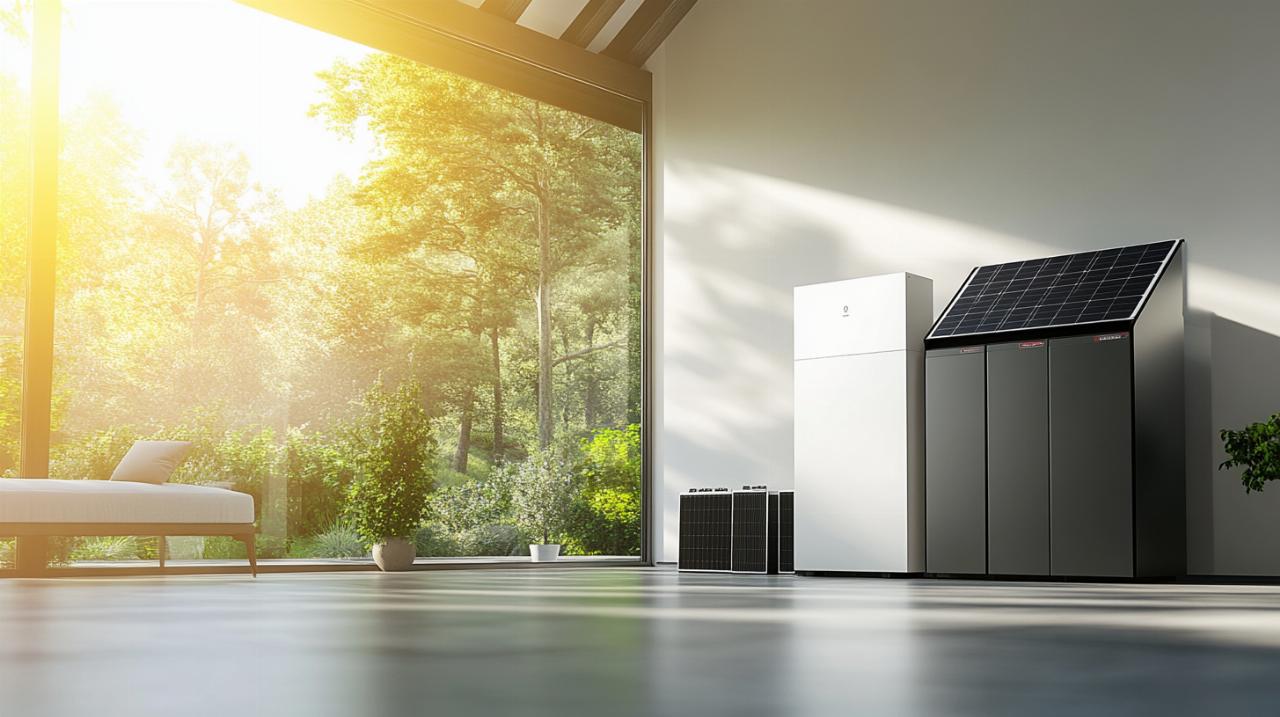
Transitioning to renewable energy has become an increasingly accessible option for homeowners across the United Kingdom, particularly as the technology behind solar energy systems continues to evolve and improve. The prospect of generating your own electricity whilst reducing your carbon footprint and energy bills is no longer reserved for early adopters or those with substantial upfront capital. Solar kits have emerged as a practical solution that brings together all the essential components needed for a successful home energy transition, making the shift to clean power more straightforward than ever before. With modern systems offering efficiency rates of around twenty to twenty-five percent and the potential to recoup initial costs within approximately eight years, the financial and environmental case for solar energy has never been stronger.
Understanding the Fundamentals of Solar Kit Technology
The concept of a solar kit revolves around providing homeowners with a comprehensive package that includes everything necessary to harness the power of the sun effectively. Rather than sourcing individual components from various suppliers and attempting to piece together a functioning system, a complete solar energy kit consolidates all the vital elements into a single, coherent solution. This approach significantly reduces the complexity associated with going solar and ensures that all components are compatible and optimised to work together seamlessly.
What makes a complete solar energy kit
A properly designed solar energy kit comprises several key elements that work in harmony to convert sunlight into usable electricity for your home. At the heart of any system are the solar panels themselves, which utilise photovoltaic cells to transform sunlight directly into electrical current. These panels come in various types, each with distinct characteristics that suit different circumstances and budgets. Monocrystalline panels typically offer efficiency rates between fifteen and twenty percent, making them an excellent choice for homeowners with limited roof space who need to maximise electricity generation. Polycrystalline panels present a more economical option with efficiency ratings ranging from thirteen to sixteen percent, whilst thin-film panels offer flexibility in installation locations despite their lower efficiency range of seven to thirteen percent.
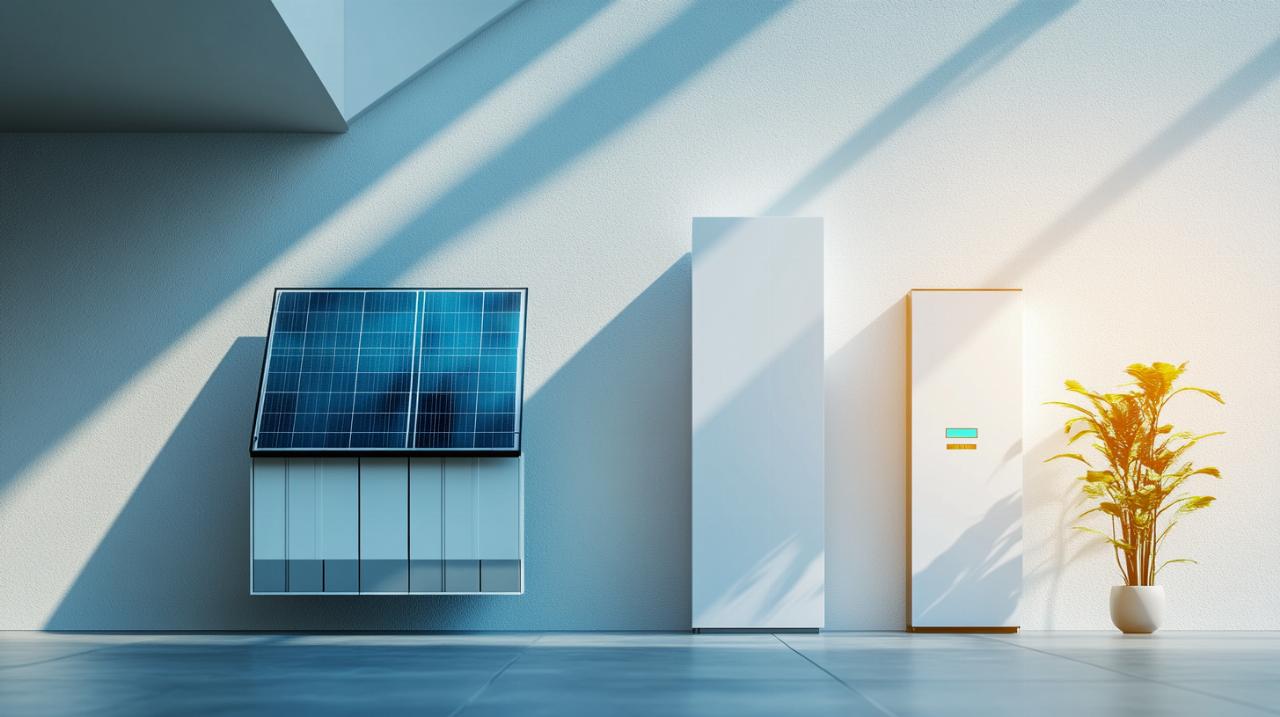
Beyond the panels themselves, a complete kit includes the inverter system that converts the direct current generated by the panels into alternating current suitable for household appliances. Modern systems increasingly incorporate battery storage solutions, allowing homeowners to store surplus electricity generated during daylight hours for use in the evening or during periods of low sunlight. This feature dramatically enhances energy independence and ensures that the maximum value is extracted from every ray of sunshine that hits your roof. Additional components such as mounting hardware, cabling, and monitoring systems round out the package, providing everything needed for a fully functional solar PV system.
How solar kits streamline the installation process
One of the most significant advantages of opting for a solar kit is the way it simplifies what might otherwise be a complex and time-consuming installation process. The journey begins with a thorough site assessment conducted by qualified professionals who evaluate your property's suitability for solar panels. This assessment considers factors such as roof orientation, available space, structural integrity, and potential shading from nearby trees or buildings. Most homes require between fifteen and thirty square metres of roof space to accommodate a system capable of meeting typical household energy needs.
Following the assessment, the design phase ensures that the system is tailored specifically to your property's characteristics and your energy consumption patterns. This customisation maximises efficiency and return on investment whilst ensuring compliance with all relevant building regulations and planning requirements. The installation itself is then carried out by experienced technicians, often including those with NICEIC approval and Gas Safe registration when complementary systems such as heat pumps are involved. Companies with substantial experience in the sector, such as those with over fifteen years of installing solar PV systems, bring invaluable expertise to the process, ensuring that every component is correctly positioned and connected.
The final stage involves inspection and activation, where the system is thoroughly tested to verify that it operates at optimal efficiency and meets all safety standards. This comprehensive approach, facilitated by the integrated nature of solar kits, removes much of the uncertainty and complexity that can deter homeowners from making the transition to renewable energy. The streamlined process means you can move from initial consultation to generating your own clean electricity in a matter of weeks rather than months.
Maximising your home's energy independence with solar solutions
Achieving true energy independence requires more than simply installing solar panels on your roof. It involves a holistic approach that considers your household's unique energy requirements, implements strategies to maximise the efficiency of your solar system, and explores the financial mechanisms available to make the transition both affordable and economically beneficial over the long term.
Calculating your household's solar requirements
Determining the appropriate size and specification of your solar energy system begins with a careful analysis of your electricity usage patterns. Examining your energy bills over the course of a year provides insight into seasonal variations and helps identify opportunities for optimisation. Households that consume more electricity during daylight hours naturally benefit more from solar panels, as they can use the generated power immediately rather than relying on battery storage or exporting to the grid. However, even those with higher evening consumption can maximise their solar energy use through strategic behavioural changes and technology investments.
Running energy-intensive appliances such as washing machines, dishwashers, and tumble dryers during daylight hours ensures that solar-generated electricity is put to immediate use. Upgrading to energy-efficient appliances with A-ratings further reduces overall consumption, meaning that a smaller, more affordable solar system can meet your needs. Simple measures such as switching to LED bulbs, turning off standby devices, and improving insulation through cavity wall insulation and loft insulation all contribute to reducing your baseline energy demand. When this reduced demand is combined with solar generation, the path to energy self-sufficiency becomes significantly shorter.
Adding a solar battery to your system represents a crucial step towards genuine energy independence. Battery storage systems allow you to capture surplus electricity generated during sunny periods and deploy it during the evening or on overcast days, dramatically reducing your reliance on grid-supplied power. This technology also provides backup power during outages, offering peace of mind alongside financial benefits. For homeowners in the South East of England, including Essex, Kent, and Sussex, where sunlight availability varies throughout the year, battery storage ensures that every kilowatt-hour generated by your panels delivers maximum value.
Long-term financial benefits of solar kit investment
The financial case for investing in a solar energy kit extends well beyond the immediate reduction in monthly energy bills. Whilst the upfront costs can seem substantial, the long-term savings and additional financial benefits make solar panels a sound investment that typically pays for itself within around eight years. After this payback period, the electricity you generate represents pure savings, with modern solar panels designed to maintain performance for twenty-five years or more.
Government incentives and schemes further enhance the economic appeal of solar energy. The Smart Export Guarantee allows homeowners to sell excess electricity back to the grid, creating an additional income stream from your solar investment. Various grants and financial support programmes exist to help low-income homeowners and tenants improve energy efficiency, potentially including solar panel installations. Some energy suppliers also offer promotional codes that can reduce installation costs, with savings of up to two hundred pounds available on systems that include battery storage.
Beyond direct financial returns, solar panels increase property values, making them an investment in your home's long-term worth as well as its running costs. Properties with solar PV systems are increasingly attractive to buyers who value energy efficiency and environmental sustainability. The reduced carbon footprint associated with solar energy also contributes to broader environmental goals, offering intangible benefits that many homeowners find equally important as financial considerations. Energy Performance Certificates reflect these improvements, potentially moving your property into a higher efficiency band and making it more desirable in an increasingly eco-conscious market.
Regular maintenance, which primarily involves keeping solar panels clean to ensure optimal sunlight absorption, is minimal and inexpensive compared to other home systems. Modern panels are remarkably durable and require little intervention beyond occasional cleaning to remove accumulated dust, leaves, or debris. This low maintenance requirement means that once installed, your solar kit continues to deliver benefits year after year with minimal ongoing costs. The combination of immediate energy bill reductions, long-term savings, government incentives, increased property value, and environmental benefits creates a compelling financial picture that makes solar energy kits an increasingly popular choice for homeowners throughout the United Kingdom.