
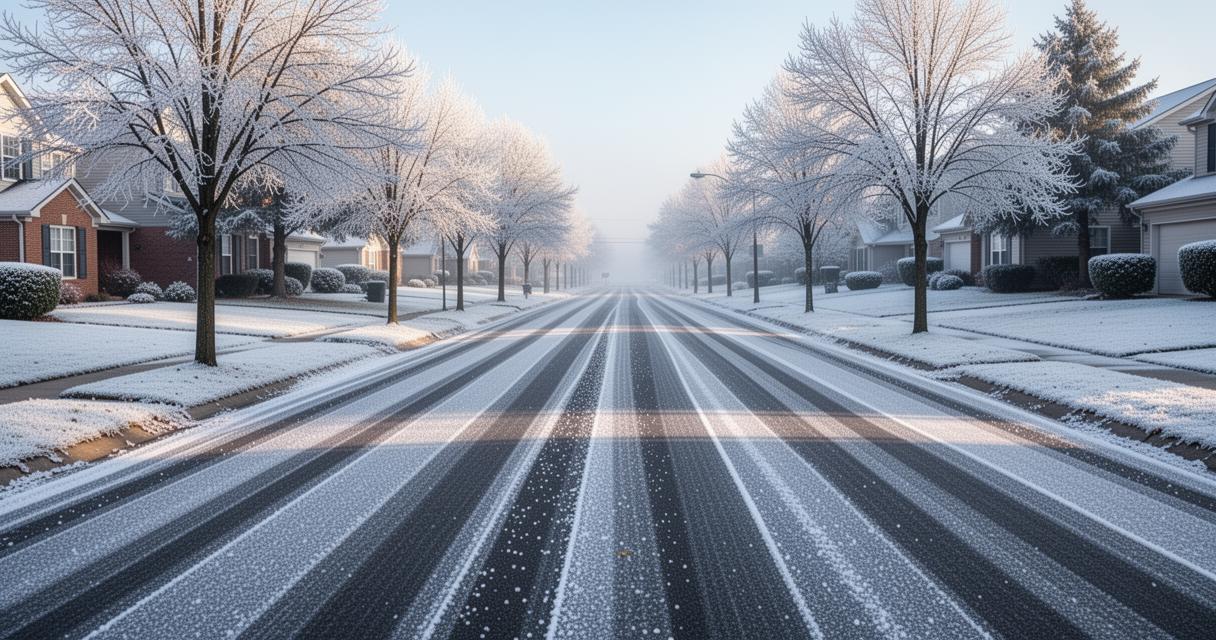
Every winter, millions of tonnes of gritting salt are spread across UK roads to keep drivers and pedestrians safe. Yet while this practice undeniably reduces accidents, it comes with a hidden cost, one that extends far beyond the surface of the tarmac. From damaged ecosystems to corroded vehicles, the environmental and material consequences of road salt deserve a closer look.
In brief
- Road salt primarily composed of sodium chloride causes significant ecological damage by polluting soil, vegetation, and freshwater ecosystems.
- Salt runoff disrupts local biodiversity by altering the salinity of rivers and lakes, which harms sensitive aquatic species and threatens groundwater quality.
- Roadside vegetation often suffers from nutrient displacement and dehydration due to the accumulation of sodium ions in the soil.
- Alternatives like sand, calcium magnesium acetate, and agricultural by-products such as beet juice offer more sustainable ways to manage winter road safety.
- Homeowners can reduce their environmental footprint by applying salt sparingly, sweeping up residue, and prioritizing preventative measures before freezes.
- Road salt also causes significant material damage, including the corrosion of vehicle bodies and infrastructure, which necessitates diligent maintenance.
The Environmental Toll of Gritting Salt on Roads and Waterways
Road salt is far more than a simple seasonal convenience. Composed primarily of rock salt, or sodium chloride, often blended with sand and anti-icing agents, it is a substance that interacts aggressively with the natural world. When temperatures rise and snow melts, salt-laden water does not simply evaporate, it travels.
How road salt damages soil, vegetation and wildlife
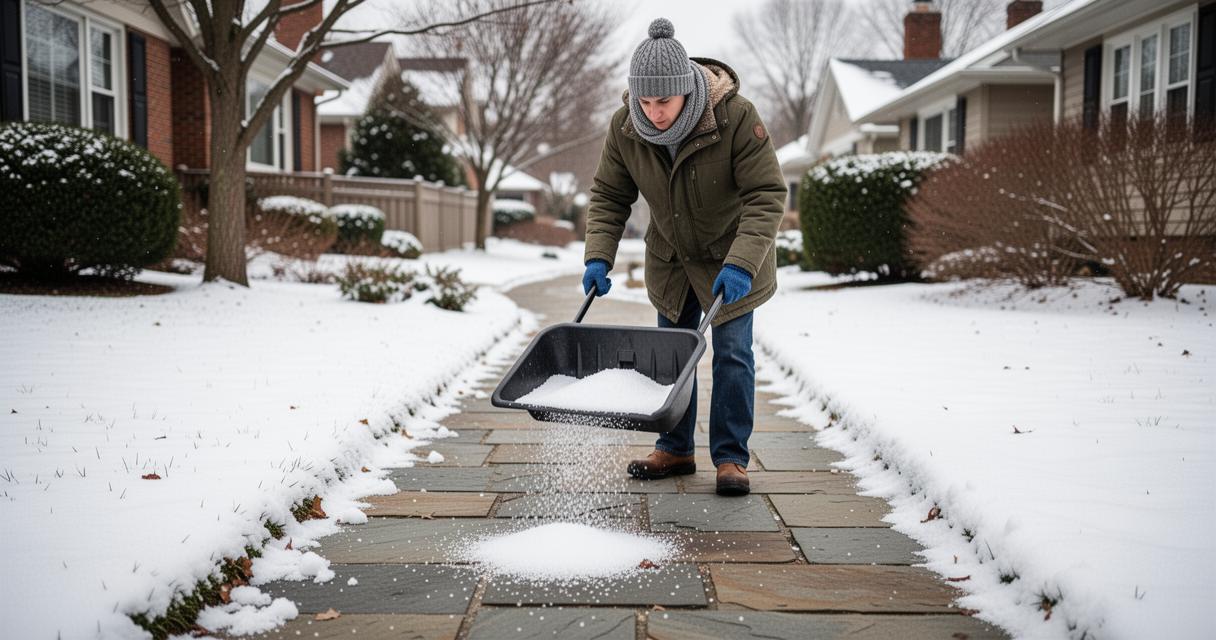
When grit salt accumulates along roadsides, it gradually seeps into the surrounding soil. The sodium ions displace essential nutrients, making it harder for plants to absorb water and minerals. Roadside vegetation often shows signs of stress, with browning, wilting, or even death occurring in heavily treated areas. Wildlife that grazes near roads or drinks from puddles can ingest harmful quantities of salt, disrupting their natural physiology. The cumulative effect over many winters can alter the composition of entire plant communities and reduce biodiversity in affected zones.
The Knock-On Effects of Salt Runoff on Rivers, Lakes and Groundwater
Beyond the verge, road salt effects extend into the broader water cycle. Runoff from treated roads carries dissolved chlorides into nearby streams, rivers and lakes. Elevated salinity disrupts aquatic ecosystems, harming freshwater species that are ill-equipped to cope with saline conditions. Groundwater sources can also become contaminated over time, raising concerns for both ecological health and drinking water quality. The environmental pressure is particularly acute near busy roads or in areas with poor drainage, where salt concentrations can reach levels that are genuinely harmful to sensitive species.
Eco-Friendly Alternatives to Traditional Gritting Salt for Winter Safety
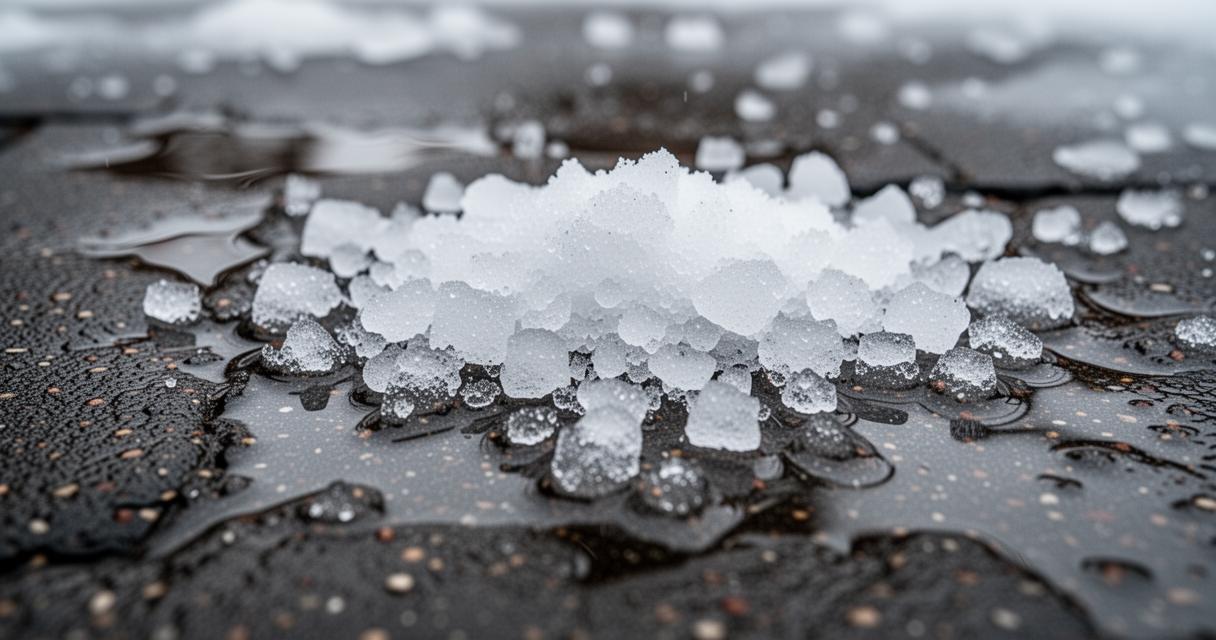
The good news is that awareness of these issues has spurred genuine innovation. A range of lower-impact alternatives and smarter practices are now available, offering a path to safer winters without the same environmental burden.
Natural and low-impact de-icing solutions worth considering
Several alternatives to conventional sodium chloride gritting have gained traction in recent years. Sand and grit offer traction without introducing soluble salts into waterways. Calcium magnesium acetate, derived from limestone and acetic acid, is considerably less harmful to vegetation and aquatic life, though it tends to be more costly. Some municipalities have experimented with agricultural by-products such as beet juice, which can be mixed with brine to reduce the overall volume of salt required. These solutions will not eliminate the need for de-icing entirely, but they can meaningfully reduce the ecological footprint of winter road maintenance.
Practical Tips for Keeping Paths and Driveways Safe Without Harming the Environment
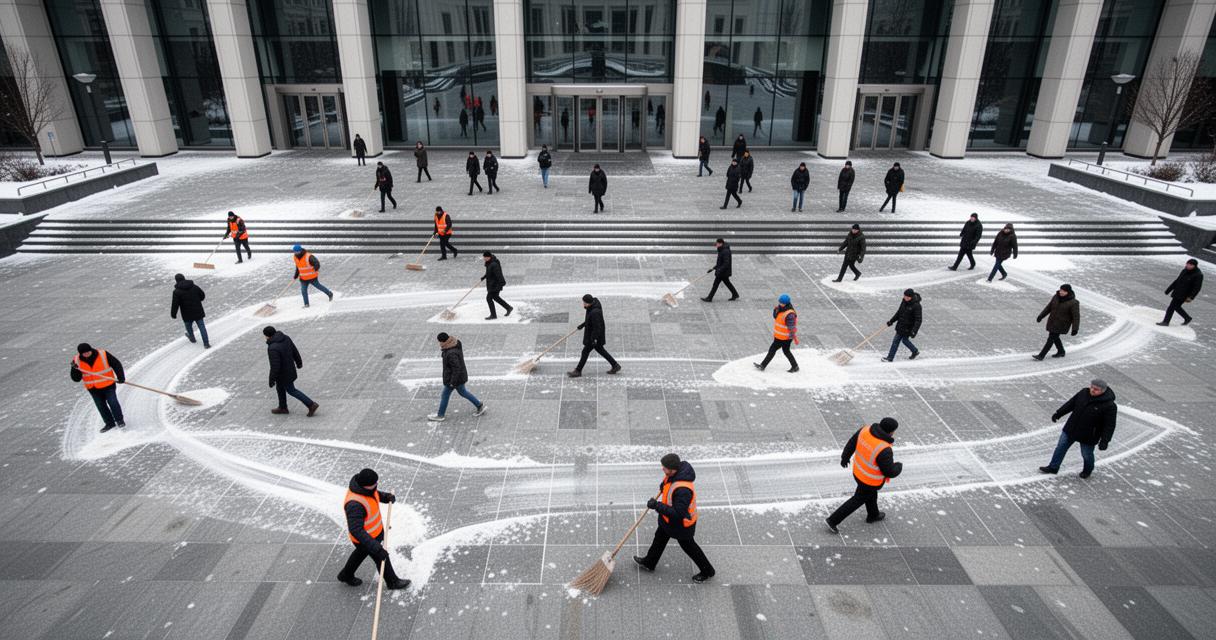
For homeowners, preventing salt damage to the environment starts with using only what is necessary. Applying salt sparingly and only before a freeze (rather than after) tends to be far more effective, meaning less product is needed overall. Sweeping up residual grit once conditions improve prevents it from washing into drains and waterways. Beyond the environment, it is worth noting that grit salt damage extends to vehicles as well: salt accelerates corrosion, weakens protective coatings, and can penetrate small chips or scratches to attack bare metal, making winter car care and regular washing an important part of the season. Choosing sand or sharp grit for your own path rather than rock salt is a small but meaningful step towards more responsible winter maintenance.
Ultimately, striking a balance between public safety and corrosion protection for the wider environment is the challenge of every British winter. With greater awareness and a willingness to adopt smarter practices, it is entirely possible to keep our roads and paths safe while reducing the lasting harm that gritting salt leaves behind.